

Understanding six popular games in gambling a comprehensive guide
Overview of Gambling
Gambling is an age-old pastime enjoyed by people worldwide, manifesting in various forms across cultures. At its core, gambling involves risking money or valuables on an uncertain outcome, often tied to games of chance. The thrill of the unknown and the potential for significant rewards draw millions to casinos, both physical and online. As the industry evolves, understanding the different types of games available, such as the aviator game, can enhance the gambling experience and help players make informed decisions.
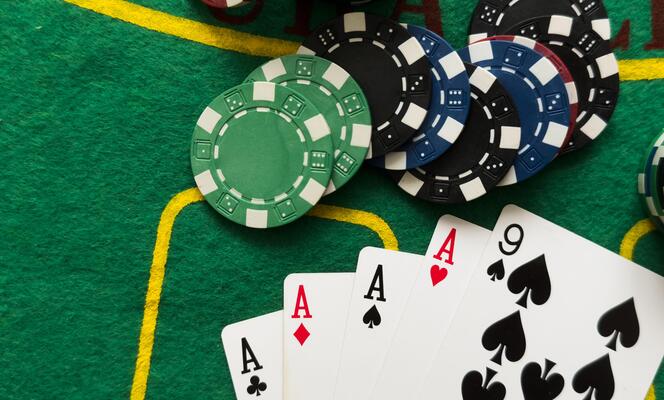
Whether it’s the high-stakes allure of poker or the fast-paced excitement of slot machines, each game has its unique set of rules, strategies, and odds. The diversity in gambling options means that players can choose what suits their preferences, skill levels, and risk appetite. Knowledge is power in gambling, and understanding the intricacies of each game is crucial for anyone looking to maximize their enjoyment and potential winnings.
This guide will delve into six popular gambling games, offering insights into their rules, strategies, and the underlying psychology that makes them captivating. From classic card games to modern electronic offerings, each section will provide a comprehensive understanding, allowing players to engage more deeply with their chosen pastime.
Slots: The Spin of Fortune
Slot machines are among the most popular gambling games worldwide, known for their simple mechanics and exciting visuals. Players insert coins or credits, spin the reels, and hope to land matching symbols across paylines. The appeal of slots lies not only in their ease of play but also in their vast range of themes and jackpot potentials, which can reach staggering amounts. Progressive slots, for instance, pool a portion of each bet into a grand jackpot, offering life-changing prizes that attract many players.
While slots are primarily games of chance, certain strategies can improve your overall experience. Understanding the Return to Player (RTP) percentage is crucial; it indicates the average amount a player can expect to win back over time. Choosing machines with higher RTPs can increase your chances of walking away a winner. Additionally, setting a budget and sticking to it can help manage losses and enhance the enjoyment of the game.
Moreover, players can take advantage of bonuses and promotions offered by casinos to stretch their bankrolls. Free spins, cash bonuses, and loyalty programs can provide added value and make the slot experience even more engaging. Overall, while luck plays a significant role in slots, informed choices can lead to a more rewarding experience.
Blackjack: The Classic Card Game
Blackjack is one of the most celebrated card games in casinos, often referred to as «21.» The goal is simple: beat the dealer by having a hand value closer to 21 without exceeding it. Players are dealt two cards and can choose to hit, stand, split, or double down based on their hand and the dealer’s visible card. The blend of skill and chance in blackjack captivates players, making it a staple in both physical and online casinos.
Understanding basic blackjack strategy is crucial for improving odds. This involves knowing when to hit or stand based on statistical probabilities. For instance, hitting with a hand value of 12 against a dealer’s 2 is statistically favorable, while standing with a value of 18 against a dealer’s 10 might be prudent. Learning these strategies can significantly reduce the house edge, making blackjack one of the most strategic games in gambling.
Moreover, many casinos offer variations of the game, such as Spanish 21 or Blackjack Switch, each with its unique rules and strategies. Exploring these variations can add depth to the game and provide new challenges. Blackjack is not just about luck; it rewards those who take the time to learn the game’s intricacies and apply effective strategies.
Poker: The Game of Skill and Strategy
Poker is often regarded as the quintessential gambling game, blending skill, psychology, and strategy. Unlike many casino games, poker pits players against each other rather than against the house. Various forms exist, including Texas Hold’em, Omaha, and Seven-Card Stud, each with its unique rules and dynamics. The objective is to win chips or money by either having the best hand or bluffing opponents into folding.
Mastering poker requires a deep understanding of the game, including odds, position, and player tendencies. Advanced strategies such as reading opponents, calculating pot odds, and employing bluffing techniques are essential for success. The psychological aspect of poker sets it apart from other gambling games; knowing when to bluff and when to fold can turn the tide of a game. Many players study their opponents’ habits to exploit weaknesses effectively.
Tournaments are a popular format in the poker world, often featuring substantial prize pools and showcasing professional players. The excitement of live tournaments adds an extra layer of intensity, as participants vie not just for money but also for prestige. Whether played casually or competitively, poker is a game that rewards dedication and strategic thinking, attracting players from all walks of life.
Roulette: The Wheel of Chance
Roulette is one of the most iconic casino games, characterized by its spinning wheel and betting layout. Players place bets on where they believe a small ball will land after the wheel is spun. The game features various betting options, including single numbers, colors, and even/odd bets. The thrill of watching the wheel spin and waiting for the outcome is a significant part of the game’s allure, attracting players looking for excitement and a chance to win big.
There are two primary types of roulette: American and European. The key difference lies in the number of pockets on the wheel; European roulette has 37, while American roulette has 38 due to the addition of a double zero. This distinction affects the odds, making European roulette the more favorable option for players. Understanding these odds is essential for making informed betting decisions.
Strategies like the Martingale or Fibonacci can be applied to betting in roulette; however, it is essential to remember that roulette is fundamentally a game of chance. Players should approach the game with a mindset of enjoyment rather than solely focusing on winning. Setting limits and understanding the game’s mechanics can enhance the experience, making roulette a favorite among gamblers seeking thrill and entertainment.

Gambling Resources and Responsible Play
Engaging in gambling, whether in a casino or online, should always be approached with care. There are numerous resources available to support players in making informed choices. Websites dedicated to gambling education provide insights into game strategies, odds, and responsible gambling practices. These resources can help players understand their behaviors and promote a balanced approach to gambling.
Moreover, many casinos and online platforms offer tools to help players manage their gambling activities, such as deposit limits, self-exclusion options, and reality checks. Responsible gambling is critical to ensuring that this enjoyable activity does not become problematic. Learning to recognize signs of compulsive behavior is essential, and players should feel empowered to seek help when needed.
In conclusion, whether you are a novice or an experienced gambler, understanding the intricacies of popular gambling games can enhance your experience. Each game offers a unique blend of strategy, chance, and excitement, providing endless possibilities for enjoyment. Always prioritize responsible play and use available resources to create a balanced and enjoyable gambling experience.